
Blog

Getting into an accident while driving for Uber or Lyft, or while riding as a passenger, can get complicated fast. There are important differences depending on your role in the vehicle and exactly when the accident happens. Here’s what you need to know from both perspectives: If You’re the Driver: Your insurance coverage depends on what stage you’re in when the accident occurs: Logged into the app but haven’t accepted a ride: You have limited coverage, and it’s typically the lowest level available. I accepted a ride but haven't picked up the passenger yet: Your coverage has increased, but it’s still not the maximum. A passenger in the vehicle en route to their destination: This is when you have the highest level of insurance protection. Many drivers don’t realize that Uber and Lyft often mirror their auto insurance in terms of things like collision and comprehensive coverage. If you don’t carry those coverages on your policy, they likely won't provide them either. Many drivers try to save money by purchasing only the minimum required personal coverage, thinking Uber or Lyft will cover the rest, but that’s risky. If your policy doesn’t have collision or comprehensive coverage, you could be left with no way to repair or replace your car after an accident. Losing your vehicle could also mean losing your source of income. Uninsured motorist coverage is another key area to watch. Again, Uber and Lyft may mirror what you have personally. If you don’t have uninsured motorist coverage, you could be in trouble if you’re hit by someone without insurance or with inadequate coverage. The bottom line: Read the fine print in your Uber or Lyft contracts. Make sure you have the right personal insurance, including collision, comprehensive, and uninsured motorist coverage, to protect yourself. If You’re the Passenger: Things are a little simpler if you’re riding as a passenger. If another driver causes the accident, their insurance will typically cover your injuries. If your Uber or Lyft driver is at fault, you’re also protected: Uber and Lyft provide insurance coverage for passengers, and at that stage, the coverage limit is usually up to $1 million. As a passenger, you should still take the same important steps after an accident: Take care of yourself first . Seek medical attention if needed. Document everything. Save your ride information from the app, take screenshots if necessary, and get contact info from the driver and any witnesses. Report the accident. Contact Uber or Lyft’s corporate claims office and provide all the details. Call an attorney. You need someone who understands the complexities of rideshare insurance claims. While the rideshare companies will have insurance, it’s always better to be proactive. Save all the details you can and stay in control of the communication with insurance adjusters. Navigating the complexities of an Uber or Lyft accident can be overwhelming, whether you're a driver or a passenger. Protecting your rights and financial well-being after an accident depends on knowing what your insurance covers and acting appropriately. At The Law of Brian P. Azemika, our main goal is to help clients navigate the complex rideshare accident claims process so they may receive the information and support they need to secure the compensation they are entitled to. Call us today to learn how we can assist you during this challenging time.

Recently, I had an unusual case come across my desk. A local, well-respected law firm had handled a catastrophic injury case involving a minor. The injuries were tragic, but it was a policy limits case with a $500,000 insurance. The parents, understandably upset by the extent of their children's injuries, were frustrated when they were told that $500,000 was all that was going to be given to them. There was no more money to pursue. They ended up firing the firm, not because the firm had done anything wrong, but because they couldn’t accept that reality. Since they were aware of the severe injuries and the toll it would have on the family, the original firm refused to take a fee from them when they settled. However, once the case was resolved, the parents were left alone to handle the minor’s compensation. This process can be overwhelming, even in the simplest of cases. Most attorneys don’t typically charge hourly rates for minors' compensation; they usually work on a contingency. However, since the main settlement was finalized and most firms weren’t set up for hourly work in these scenarios, the family was left without much help. A colleague specializing in estate and financial planning asked if I could assist the family. She mentioned that the case needed a minor’s compensation and a Special Needs Trust, making it even more complicated. I agreed to help and did it on a small hourly basis. Even though I spent so many hours on this case, I didn’t want to take away from the money that should be going to the kids. During the process, I had to get documentation from the original attorneys. When I spoke with one of them, he said, "Brian, you're doing God's work, man. You're not going to make anything off of this." He was right — but that wasn’t the point. I knew this family needed help; they were at risk of seriously jeopardizing their children's future. One of the major hurdles we encountered was the health insurance reimbursement. Many don’t realize that health insurance companies often have clauses requiring repayment if you receive a settlement for injuries they paid to treat. And if the health plan is an ERISA plan, which is common for union workers and large employers, the insurance company gets paid first, sometimes even leaving the injured party with nothing. In this case, the family’s health insurance was an ERISA-based union plan, and they were seeking to recover $200,000 to $250,000 from the settlement. It was a devastating blow, but I negotiated with the plan administrators and ultimately got them to waive their claim, which rarely happens. As a result, nearly every dollar from the settlement went directly into a Special Needs Trust for the injured child, ensuring she would have the resources she desperately needed. I only took a minimal fee to cover my basic expenses; the rest was left untouched for the family's benefit. This wasn’t a typical case for me. I wasn’t involved from the beginning and wasn’t wearing my "usual hat." I stepped in at the end to help an overwhelmed family with nowhere else to turn. It's not the type of work I seek out, but it's the kind of work that reminds me why I became a lawyer in the first place — to help people through the most challenging moments of their lives. Navigating the legal and insurance systems isn't easy, especially for families already dealing with trauma and hardship. The system isn’t built for the average person to understand easily. It takes experience, time, and a willingness to put people before profit to make a difference. In this case, I’m grateful I could step in when it mattered most.

When a legal case involves a minor, whether it’s a car accident, a dog bite, or a pedestrian injury, there’s always an extra layer of responsibility. It’s not just about how we handle the case but also about what happens after it settles. That’s when planning for the child’s financial future becomes essential. In one of my recent cases, the settlement included a large sum for a young girl who had suffered serious injuries. The question came up: What’s the smartest, safest way to manage that money long-term? Setting up a trust wasn’t something the family had ever considered. It’s not the kind of thing most people think about—especially while they’re still dealing with the emotional and physical aftermath of a traumatic event. But that’s part of my job. I brought up the idea and coordinated with professionals specializing in that area. I retained attorneys to help set up the trust and brought in financial advisors who would serve as trustees and manage the money on the child’s behalf. This kind of work is common in cases involving minors. Whenever a settlement includes money for a child, the court has to approve how those funds will be handled. What we typically do is calculate the net amount the minor will receive after costs, then sit down with the parents and walk them through their options. In many cases, the money goes into a blocked account—a savings account that sits there until the child turns 18. Once they’re legal adults, they can walk into the bank with an ID and a birth certificate and access the funds. But that’s not always the best approach. I mean, think about it—would you want your 18-year-old suddenly handed $100,000 in cash? There are better options, depending on the family’s goals. One alternative is setting up an annuity. For example, we’ve structured college-focused annuities where the child receives a lump sum for each of the four years following their 18th birthday to help with tuition. Then, they might receive additional disbursements at 25 and 30. That way, the original $100,000 can grow to $150,000 over time, and the child doesn’t get it all at once. I’ve been doing this for a long time, and I’ve seen what can happen when there isn’t a solid plan in place. As a parent myself, I always ask: What would I want if this were my child? That’s how I approach these conversations with families. So yes, the legal fight matters, but what happens after is just as important. My role doesn’t stop once the case settles. I’m there to guide families through the next steps, connect them with trusted advisors, and ensure they’re making the best possible decisions for their child’s future. Because that’s what we do, it’s not just about winning a case but protecting what comes next.

Though challenging, one of my favorite cases involved a serious car accident where the defendant was a police cruiser. In this case, the officer pursued a stolen vehicle but failed to activate their emergency lights and sirens until they entered the intersection. They were going around 70 miles per hour, just as my client happened to be driving through the intersection. Because there were no warning signals, my client had no way of knowing what was coming. The crash was severe. She was lucky to walk away from it, but at the time, she was about 12 weeks pregnant, and the accident caused significant complications. The core of our legal fight was proving that those complications—and the effects they had on her baby—were directly caused by the accident and not just any kind of random pregnancy complications. We brought in her treating doctors through Kaiser, as well as our own expert witnesses, and together, we were able to build a strong case showing that the accident was the key to her baby suffering complications. The baby, a little girl, was born but unfortunately suffered developmental issues. Medical evaluations showed that the placenta had ruptured, and the mother had been experiencing internal bleeding throughout the pregnancy. Because of that, the baby wasn’t getting the nutrients she needed in utero. Litigating this case was especially challenging because it involved a city entity. Government tort claims are governed by very specific laws under the Government Tort Act. Dealing with this is very complicated, as the process is very specific. There are shortened timeframes—claims must be filed within six months, and if they’re denied, you only have another six months to file a lawsuit. That’s very different from the usual two-year window in standard civil cases. And this family, the clients I was representing, were immigrants who didn’t speak much English and had no understanding of the legal system here. They were scared, overwhelmed, and just trying to navigate a high-risk pregnancy on top of everything else. So, part of my job—maybe the most important—was to take that legal burden off their shoulders. I couldn’t help medically, of course, but I could reassure them, connect them with specialists, and manage the legal side so they could focus on the health and safety of their child. Honestly, even someone who’s been born and raised here, with generations of family behind them, would have trouble figuring out a government tort claim. So, for first-generation immigrants who didn’t speak much English and had no idea what the process even looked like, it was a lot. My job was to step in, walk them through it, and make sure they didn’t feel like they were doing it alone. We litigated against the city and ultimately settled the case for around $2 million. A significant portion of that—about $1 million—was placed into a special needs trust for the daughter, something unique we did for the family. The trust is managed by a financial advisor and designed to support the daughter’s developmental needs throughout her life. It covers specialized schooling, therapy, and even a custom vehicle for easier transportation. What’s really rewarding is that I still hear about how she’s doing. I get updates because the trust is ongoing, and I worked with the attorneys who helped set it up. They’ve been able to send her to a private school that caters to her needs and helps her live everyday life. There’s even talk of buying a home through the trust, so she’ll have a secure place to live long-term. It was complicated, both emotionally and legally. But helping a family who never could have navigated that on their own, especially in a case with so much at stake, is exactly why we do this work here at The Law Office of Brian P. Azemika. Cases like this are the ones that stay with you.

Here’s how our process works: When someone calls our office, one of my assistants gathers general background information about what happened
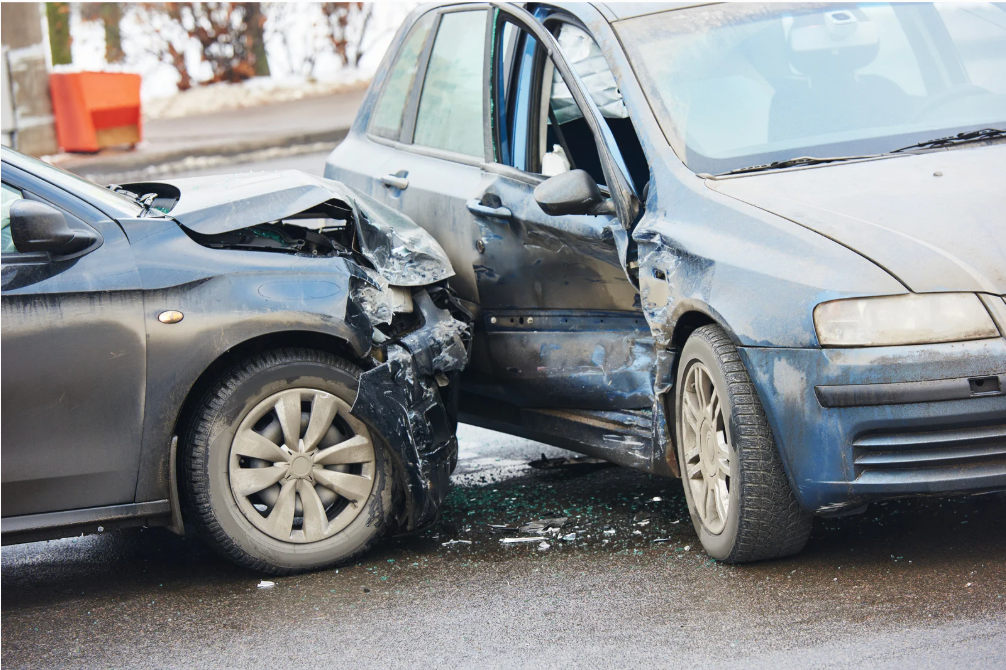
If you've been in a serious car accident, it’s normal to feel overwhelmed and unsure about what to do next. Many people wonder, “Should I call my insurance company? What’s the next step?” Let me walk you through the process—because, in those moments, your focus should be on your health and well-being first. The most important thing to do after an accident is to take care of yourself. If you’re in significant pain or think you might be seriously injured, don’t hesitate—call 911 and get medical help immediately. Don’t try to downplay your injuries or tough it out—that can lead to long-term issues or permanent damage. If first responders suggest you take an ambulance to the hospital, listen to them. Your health comes first. If you have family or friends in the car, check on them as well. Ensure you get the help you need because you don’t want to worsen the symptoms, so don’t avoid help when needed. In many cases, the adrenaline and shock from an accident can mask pain. It’s common for people to feel fine at the scene, decline medical help, and then realize hours or days later that something is wrong. In this situation, the first thought should still be about yourself. If you notice pain later, don’t ignore it—go to an urgent care, see your primary doctor, or visit the emergency room. Your well-being is the priority. What about the insurance company? Most people assume their insurer will guide them through the process—but that’s not the case. Rather than making sure you get the care you need, insurance companies will work to minimize your claim and protect their profits. They may try to play down your injuries, delay your lawsuit, or offer you a lowball payment. That’s why I advise my clients to prioritize their health and get medical attention when they feel pain or discomfort. Once you’ve addressed your immediate medical needs, contact an experienced attorney. You’ll want to ensure you know your rights before speaking to the insurance carrier, as it may affect the value of your case or the compensation you deserve. At my firm, we offer free consultations —and when you call, you will be able to speak directly with me, not a case manager or someone without legal experience. Whether you choose to work with us or not, I prioritize ensuring you understand your rights before talking to the insurance company. Insurance companies have teams of lawyers working to protect their interests—you deserve someone just as experienced fighting for you. My job is to give you the knowledge and support you need to navigate this process and ensure you get the compensation you deserve.

It’s not just about representing local individuals—it’s about standing up for people everywhere who need someone on their side. Early in my career, I had the opportunity to work at a firm that represented big corporations, government entities, and other large entities, but I quickly realized—that wasn’t for me. I didn’t want to be part of a massive corporate machine. I wanted to fight for the little guy—the people who find themselves going up against powerful institutions through no fault of their own. When someone is injured in a car accident, it might seem like they’re just facing another individual. But behind that person is a billion-dollar insurance company calling the shots. Most people don’t realize this, but the person who caused the accident has little to no say in how things are handled. The insurance company drives the settlements and decides what they think someone’s pain and suffering is worth. For those who’ve experienced a catastrophic injury or the devastating loss of a loved one, the legal battle isn’t just a business decision—it’s their life. At the same time, these businesses are focused on protecting their bottom line by having their adjuster and attorneys bring all they have to the table. I wanted to be an advocate and stand with those individuals who were struggling to navigate the overwhelming legal process while already dealing with pain, stress, and uncertainty. They shouldn’t have to face billion-dollar corporations, nickel and diming them and playing hardball all alone. I’m here to take that burden off their shoulders and fight for the justice they deserve. I want to be in my client's corner as they go up against Goliath. I love this community; many of the people I represent are from here. But my work goes beyond local borders—I’ve helped clients across California, from Southern California to Northern California. No matter where they are, my mission is to ensure every individual has a voice and someone in their corner willing to take on the big insurance companies.

I’m Brian Azemika from the Law Office of Brian P. Azemika. I want to give you a little background on how I got to where I am today, where I proudly call home, and where I have the privilege of helping clients daily. I was born and raised in the Bay Area, but I moved to Kern County while in the latter years of high school. I met my wife while in high school in Bakersfield, California, and following high school, we both moved to Sacramento to go to college and law school. I went to UC Davis, and she went to Sacramento State. After graduation, she became an elementary school teacher and I went to law school at the University of the Pacific McGeorge School of Law in Sacramento, California. After graduating from law school, we moved back to Bakersfield due to the economy and job market, which is where I started my career as an attorney. It wasn’t long before I realized how much I missed Northern California. I convinced my wife—born and raised in Kern County—to leave everything behind, including her family, and move north with me. We built a life we truly loved in Northern California. We appreciated the balance of a small-town feel with big-city amenities and loved being close enough to visit San Francisco whenever we wanted. We eventually decided that this was where we wanted to raise our family. Our oldest daughter was born in Sacramento while living in the Natomas area. When she was ready to start kindergarten, we moved to Roseville, where our second daughter was born. Both of our girls are essentially Sacramento-Roseville natives, and this region has become a core part of our identity. My wife is a teacher in the Natomas area, and I’ve been actively involved in the Roseville community through coaching soccer. I started as a recreational coach for my oldest daughter when she was in first grade and eventually transitioned into coaching competitive soccer. Now, I coach both of our daughters—one in rec soccer and the other in competitive soccer—and I sponsor the Roseville Soccer Club. Recently, I became a corporate sponsor for the Roseville Iron Rose, a semi-professional women’s soccer team, further deepening our roots in the community. We consider Roseville and the greater Sacramento area our home. Our friends here have become our chosen family since most of our relatives are still in Southern California. Our community extends across the region—from Loomis to Elk Grove to Amador County. We gather together often, and our kids have grown up alongside each other, creating a strong, supportive village. When people ask where we’re from, we proudly say Northern California—specifically, Sacramento and Roseville. This is home. It’s where our lives are rooted and where we plan to stay. I love this community and am here to support it daily through my work. The people here aren’t just clients—they’re my neighbors, friends, and extended family, and I’ll always be here to stand by them and fight for what they deserve.
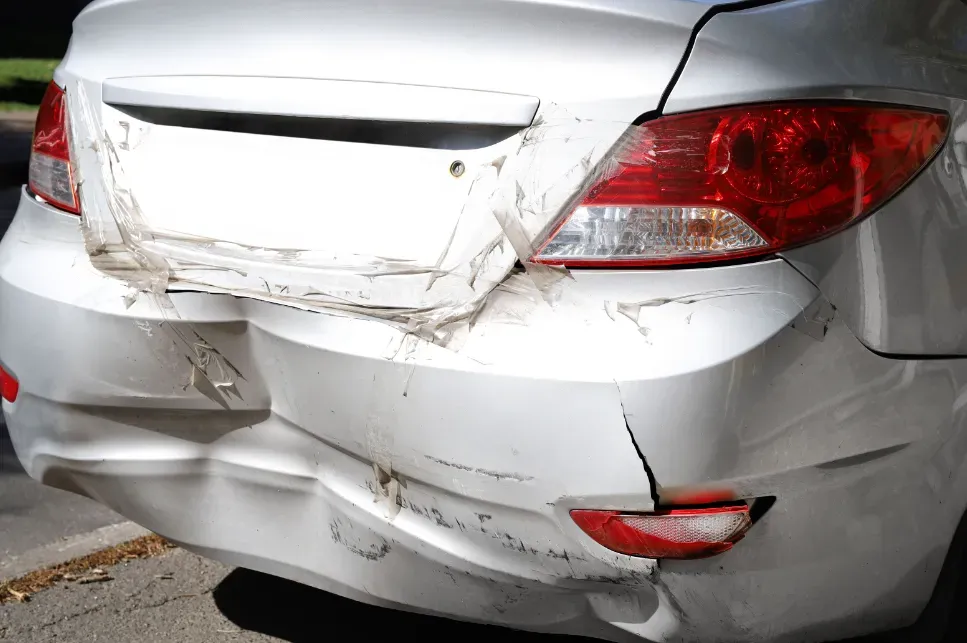
California law requires that drivers involved in collisions immediately stop their vehicles. Fleeing the scene is a criminal offense, and those charged could face time behind bars. What do you do if you were hit by a motorist who fled the scene? At the Law Office of Brian P. Azemika, we have negotiated many settlements for hit-and-run victims, and we know what steps can strengthen your legal claim. Below, our car accident lawyer provides his best tips. At The Scene You should remember to do the following: Immediately stop your car. You can’t flee the scene at the same time as the other driver, otherwise, you have also committed a crime. Identify as much of the license plate as possible. Try to get even one number or letter. Anything helps with identifying the vehicle that struck you. Remember other key details. You can share with the police information about the car’s make and model, as well as its color. If you saw the driver, also note the likely gender, as well as hair color, glasses, etc. Call the police. You should report the accident to the police. Share any details you have about the car or license plate number. Speak to witnesses. They can prove critical later. Many insurance companies wrongly believe hit-and-run victims crashed their own vehicles. Witnesses can help establish that another motorist really did hit you. Document physical evidence. A car that slams into yours might leave pieces behind. Look for pieces of glass or plastic. Also, there should be paint smears on your own car, which will help us identify the color of the vehicle. After the Accident A key consideration is whether you can receive any compensation for a hit and run. The answer depends on the type of insurance you have. If the police catch the driver, we can sue them or make a claim on their insurance. Otherwise, you might be left with seeking compensation from the following insurance: Medical payments. This is optional insurance in California. It pays for medical treatment for any car-related injuries, regardless of fault for the crash. Collision coverage. This insurance pays to fix your car up to the policy limit. It’s optional, but most car lenders require that you get it so long as you have a car loan. This is also no-fault insurance. Uninsured motorist coverage. This insurance covers accidents where the driver who struck you lacked liability coverage. It is optional insurance, but you can use it for a hit-and-run to pay compensation for bodily injuries. An insurer must offer this coverage when they sell you a liability policy. Unlike med-pay and collision, this insurance is fault-based. Remember to hang onto medical bills and any car repair bills. You will need to submit these to your insurers. Call Our Car Accident Lawyer in Sacramento This is a key step. Many motorists find that their insurer is not eager to pay for a hit-and-run crash. We might need to negotiate with them to get them to cut a check. Please call our law firm today to speak with a lawyer.
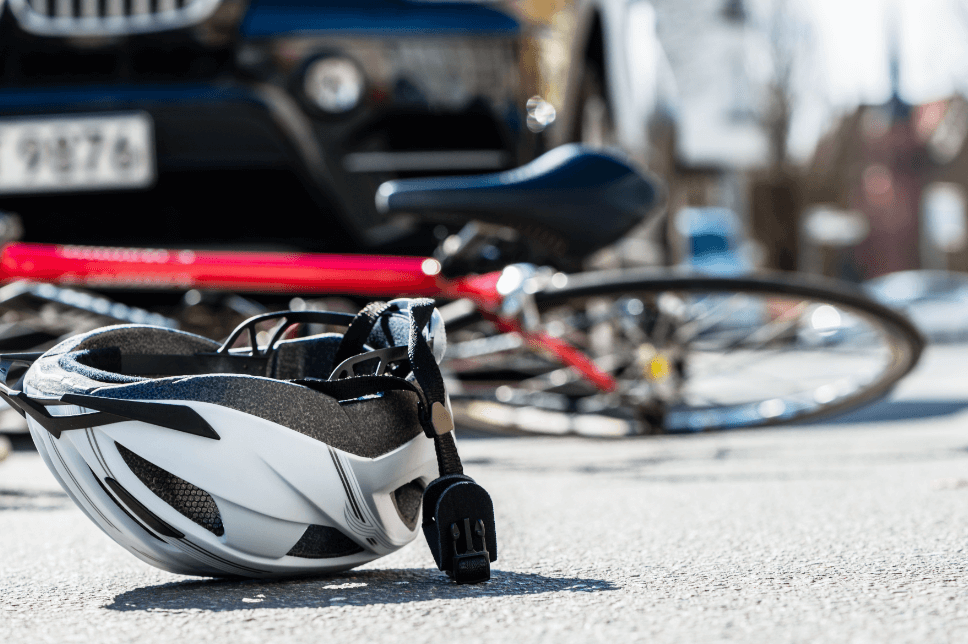
Bicycles and cars collide all the time, especially at intersections. It is tempting to always blame the motorists because they are driving a large vehicle that can cause serious injuries. However, under California law, we need to determine who was negligent, if anybody. Negligence is the failure to use reasonable care under the circumstances and can include violating the rules of the road. Depending on the facts, either the car driver or the bicyclist could be at fault for the collision. Or they could share the blame. Who Was Negligent? One misconception is that the person who hit the other is always at fault. So if a car struck a bicycle, some people will claim the driver “must” be at fault. That’s simply not the case, however. Instead, we need to closely examine what the driver and cyclist did in the moments leading up to the crash. A person is at fault for the crash if they did not use reasonable care. Did either one: Run a red light Fail to yield Cut the other off Go too fast for conditions These are all negligent acts. If a motorist runs a red light and cuts off a cyclist, leading to a crash, then the driver is at fault for failing to drive carefully. It doesn’t matter if the cyclist crashes into the car. Other examples of negligence include being fatigued or intoxicated or else distracted by a cell phone. An impaired driver will probably not control their vehicle in a safe manner. Other collisions happen because someone Is not watching where they are going, instead choosing to read a text message. This is true of both motorists and cyclists. Both Sides Can Share Fault California law recognizes that both sides are negligent in many accidents. That means both share fault for the crash. For example, a motorist might have cut off a cyclist, but the cyclist was distracted because she was looking at her phone. California’s law is a “pure” comparative fault system. You can be up to 99% responsible and still seek compensation so long as the other party is at least 1% to blame. In other states, victims are prohibited from suing if they are 50% to blame or greater. But that’s not the law in California. If you go to trial, a jury will apportion fault based on the testimony and physical evidence. However, most cases settle, which means that lawyers and insurance adjusters hammer out how to allocate fault. At our law firm, we always strive to learn as much about the accident as possible to minimize our client’s share of the blame. Call Our Personal Injury Lawyer Today The Law Office of Brian P. Azemika has handled many collisions involving cars and cyclists. Our car accident lawyer will review the facts to determine whether you can legally seek compensation for any injuries suffered in a collision. Please call our law firm today to schedule a consultation with our legal team. There is no risk or cost for doing so.
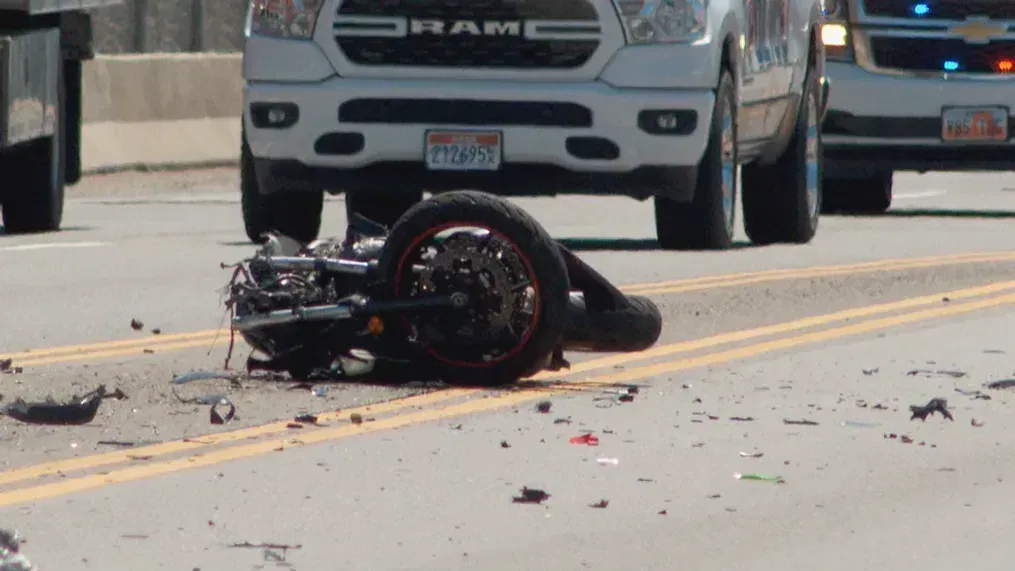
By one estimate, California has 950,000 registered motorcycles, so a collision between a car driver and a motorcycle is not unusual on our roads. But what is the settlement process like when one of the vehicles involved in a crash is a motorcycle? The answer is: not much different than if two cars had collided. At the Law Office of Brian P. Azemika, our car accident lawyer can explain the settlement process and answer any questions accident victims have. In most cases, we make claims on the at-fault motorist’s liability policy, and we will gladly take a look at the facts of your case to determine your rights. Motorcyclists Are Subject to California’s Financial Responsibility Law In California, you cannot register your car unless you can show financial responsibility. The easiest way to do this is to buy minimum liability coverage. As of 2023, the minimum coverage is: $15,000 per person for bodily injuries $30,000 per accident for bodily injuries to two or more people $5,000 for property damage Liability coverage kicks in when you are at fault for an accident. Anyone you end up hurting can make a claim on your policy for damages involving medical care, lost wages or income, and pain and suffering. If you were riding in a car when it was hit by a motorcycle, you can make a claim with the motorcyclist’s insurer. Similarly, any motorcyclist hurt by a negligent car driver can make a claim on the driver’s insurance. Put simply, the process for receiving compensation is not that different when a motorcycle is involved. Because California is a fault state, your attorney will spend considerable time analyzing all surrounding circumstances to determine who is to blame. How Motorcycle Collisions Differ Having said that, there are some unique wrinkles when motorcycles are involved in accidents. For one, motorcyclists tend to suffer much more severe injuries. This is understandable. There is no steel cage around the motorcycle offering protection. A biker can suffer a direct blow to the body or be catapulted off their bike. Injuries are gruesome: pelvic fractures, back injuries, head injuries, and road rash are some of the most common. Because injuries are serious, accident victims often seek larger sums of money to pay for their medical care and other out-of-pocket expenses. Serious injuries like concussions and spinal column damage warrant much more in pain and suffering. Consequently, a negotiated settlement could become harder to achieve because so much money is in play. Motorcyclists might also stand accused of driving negligently. Some insurance adjusters are prejudiced against bikers, wrongly believing that you take unnecessary risks out on the road. As a result, it is often harder to disprove comparative negligence. Call Our Car Accident Attorney We have helped many people injured while riding a motorcycle or in a car crash. Our law firm will provide a free case evaluation to help you better understand your legal options, including what will qualify as a fair and reasonable settlement. Call our firm today.
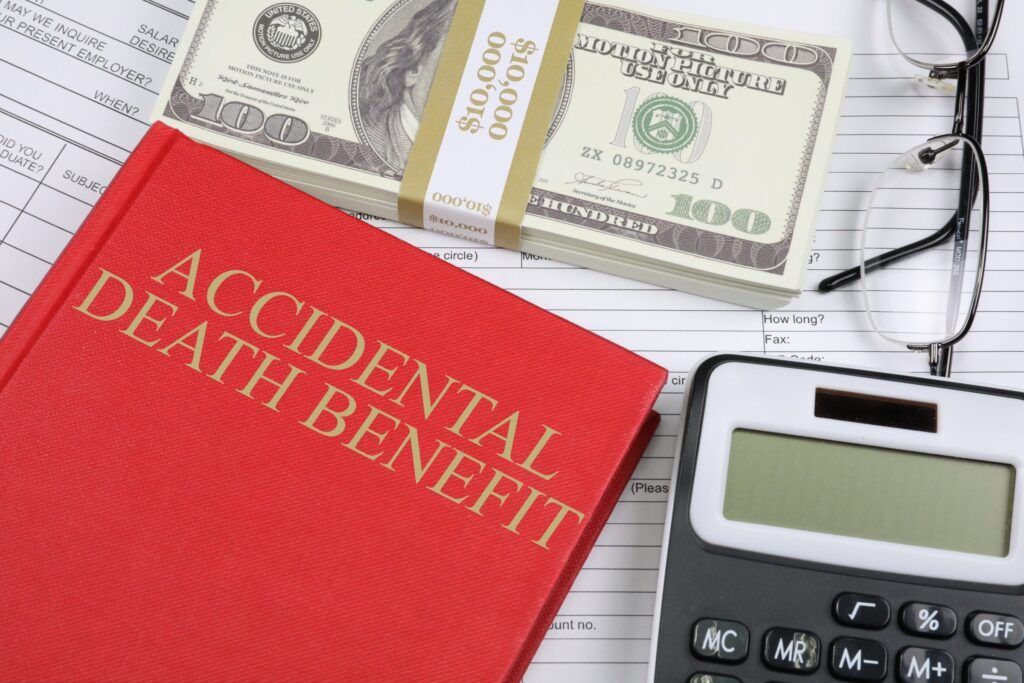
Wrongful death lawsuits compensate certain family members for losses they suffered after a loved one’s accidental death. But how much can you receive? And what losses qualify for monetary compensation? Our wrongful death attorney looks at the most common damages for accidental death claims. Lost Financial Contributions Losing a family member carries financial burdens. For example, your spouse might have been the primary breadwinner in the family. His death at age 40 deprives his wife of several decades of income. She can seek an amount of damages to compensate for this financial loss. Factors that go into this calculation include: Your loved one’s age His or her education Job history Earning history and potential Any medical conditions which would have shortened your loved one’s natural life Lost Household Services Our family members do more than contribute income. They often provide services to their spouses and children, such as: Cleaning Grocery shopping Cooking Childcare Elder care Transportation House maintenance For example, your wife might have done all the domestic chores and transported children while you worked. After her unfortunate passing, you will need to hire someone else to perform these services. In many cases, you can request compensation for the present value of those services. Lost Gifts or Benefits Family members often receive benefits like health insurance or life insurance, as well as possible gifts left in a will. You can request compensation to make up for these losses. Burial and funeral Expenses The average cost of a burial in California is a little over $7,000 for 2023. You can request compensation for reasonable expenses related to funeral and burial. Loss of Love, Support, Assistance, and Protection Our close family members provide invaluable support to us. A parent’s love, protection, guidance, and education are priceless. The same is true of companionship offered by a spouse or domestic partner. Although money can never make up for these losses, you can nonetheless request compensation for them. However, there is no standard market value for these types of non-economic losses. The Law Office of Brian P. Azemika has experience requesting reasonable amounts based on our firm’s experience with accidental death claims. Loss of Training and Guidance Children require the assistance of their parents. These non-economic losses are similar to those listed above. Loss of Sexual Relations A spouse can seek monetary compensation for the loss of sexual relations enjoyed with their spouse. Again, it is difficult to put a price tag on this type of loss, but our law firm will fight for the maximum amount allowable under the facts. What You Can’t Receive Compensation For Interestingly, California prohibits receiving money for your own grief or pain. That makes little sense, especially since the state lets you get money for loss of guidance, love, and training. The grief a spouse feels when her husband is accidentally killed directly flows from the defendant’s actions. We think it makes sense to let victims sue for their grief, but that’s not the law in California. Speak with Our Wrongful Death Lawyer Our lawyer offers compassionate legal representation to those in trying circumstances. Contact us to find out more.

Swimming pools help Californians beat the heat, but thousands of people are also injured in swimming pool accidents each year
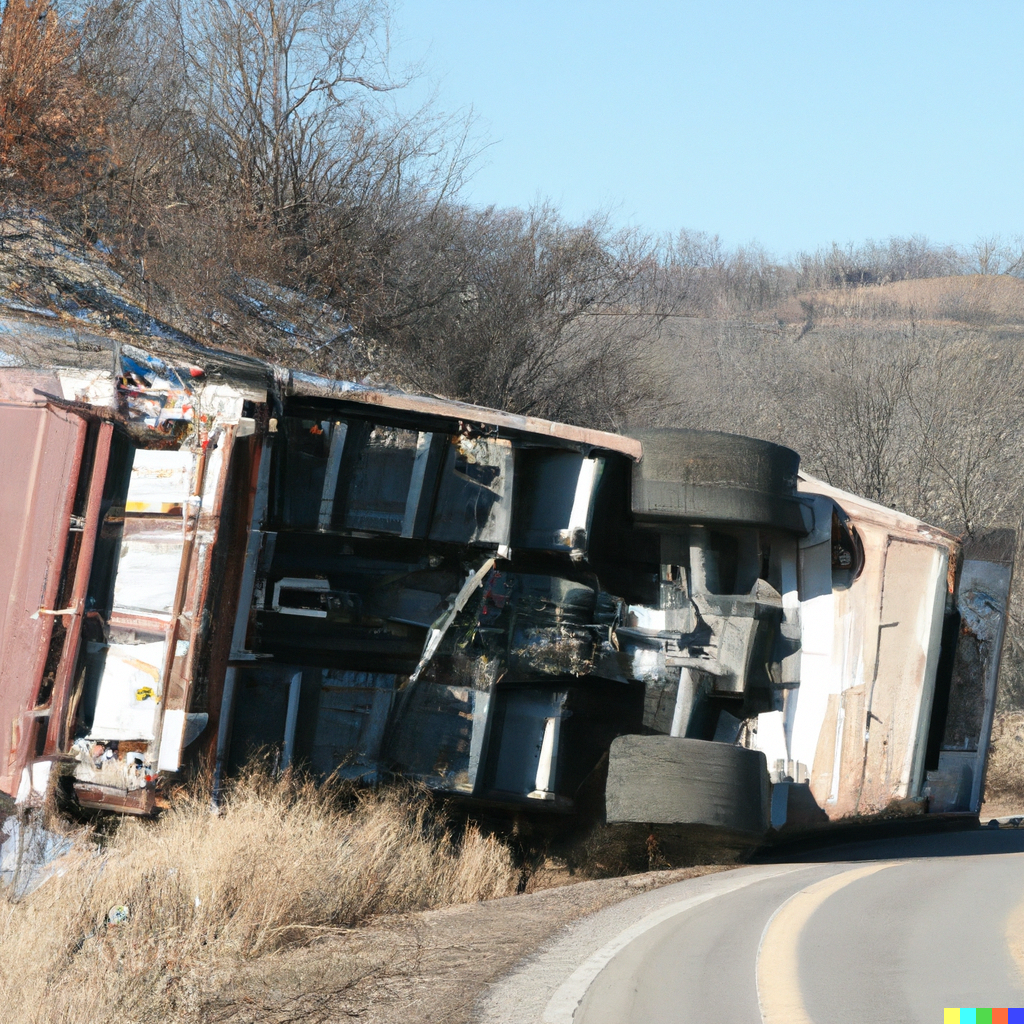
California is a popular destination for large trucks like tractor-trailers, which haul goods. Trucks originate from every other state in the union; some even come from Mexico. As California motorists, we must be careful of any large vehicle on the road regardless of where it came from. According to the Department of Transportation, California saw the following truck accidents and injuries in 2022: 13,570 crashes involving 14,616 trucks 481 fatalities 5,500 injuries Unfortunately, the Department does not break down which trucking company was involved in most of the accidents. Still, most large trucking companies come into California and are undoubtedly interested in many collisions. United Parcel Service (UPS) It’s no surprise that UPS experiences a high number of accidents. They are one of the country’s most famous shipping and receiving companies. The Federal Motor Carrier Safety Administration regularly updates crash statistics for the largest trucking companies, and from June 2021 to June 2023, UPS experienced the following: 2871 total crashes 1003 injury crashes 66 fatal accidents That works out to 5 fatal accidents every single month. Almost 100 people are injured every month in a collision with a UPS truck. We don’t know how many of these accidents happened in California. But since we see UPS “box trucks” all over the place making deliveries, many of them probably occurred in the Golden State. Federal Express Like UPS, FedEx is a popular shipping and receiving company with a significant presence in California. According to the most up-to-date statistics, FedEx has had the following accidents and injuries over the past two years: 817 total crashes 230 injury crashes 31 fatal accidents These numbers might be a little low since FedEx has multiple companies all reporting individual crash statistics under different names. We estimate that they are involved in more than 1,000 collisions a year. Swift Transportation Swift Transportation is one of the most popular trucking companies in the United States. Headquartered in Phoenix, Arizona, their rigs are regularly on California highways. Swift Transportation has reported many accidents in the most recent two-year period: 992 total accidents 288 injury accidents 36 fatal accidents Werner Enterprises This trucking company is headquartered in Nebraska and runs its fleet all over the U.S. Over the past two years, they have reported: 904 total accidents 261 injury crashes 23 fatal crashes California Truck Accident Victims Have Rights Please call the Law Office of Brian P. Azemika today, regardless of which truck struck you. You can seek compensation from a truck driver and their employer. These companies have insurance, a prerequisite to haul into California. Whether you were hit by a big rig on the highway or clipped by a box truck downtown, you can seek compensation for your injuries. Call our law firm for more information about what steps to take following an accident. We can negotiate with a truck company and its insurer for favorable compensation. Call to schedule a case evaluation.

Dog attacks leave victims with puncture wounds, infections, and other serious injuries. Under California law, victims have the right to seek compensation. But who is responsible for the attack? Generally, the owner is liable in most cases, but you might sue other parties for not handling the dog properly. Our dog bite lawyer explains this in greater depth. When Owners Are to Blame The dog’s owner is usually responsible for an attack. This is certainly true if you are bitten on the owner’s property. For example, you might visit your neighbor, whereupon their dog bites you in the arm. The owner is liable under California’s dog bite statute for this injury, so long as you weren’t trespassing. The owner is also responsible if you are bitten in public. A dog might wander away from home and bite people in the park or on the sidewalk. Under the state’s dog bite statute, Civil Code § 3342 , you can sue the owner if you are bitten in a public place, regardless of whether the dog had a history of attacking people. Owners are also responsible for non-bite injuries when they are negligent in how they have handled or restrained their dogs. An owner must use reasonable care when restraining their animals. What’s reasonable will depend on the circumstances. But failing to follow a dog safety law, like a leash law, would certainly qualify. That means you could sue if a big dog rushed up to you in a park and jumped on your chest, knocking you backward. When Other People Are Responsible for an Attack In some situations, a non-owner is responsible for a dog attack. Because the dog bite statute only applies to owners, you would need to use negligence to hold non-owners responsible, for either bite or non-bite injuries. Here are some examples: A kennel could allow a dog to escape because they were careless in watching it, or their kennel was falling into disrepair, allowing the animal to escape. The dog then attacks or bites someone. A dog walker could be responsible for failing to restrain the dog properly while out on a walk, which allows the dog to lunge at someone. A landlord could be responsible if they voluntarily agreed to harbor the dog and feed it, or if they failed to restrain the animal because they let a fence fall down. Generally, it’s much harder to sue a non-owner. Still, it’s possible when they fail to exercise reasonable care to protect foreseeable victims. A Victims’ Comparative Negligence Comparative negligence applies in dog bite cases, even those under the strict liability dog bite statute. A victim’s own negligent or intentional behavior can limit the amount of compensation they receive. In some cases—where the victim is 100% at fault—they will receive nothing at all. Examples of negligence include: Throwing objects at a dog Pulling its tail Bumping into it Teasing the animal Failing to restrain your own dog, which causes a fight or attack Reach out to Our Law Firm Contact the Law Office of Brian P. Azemika today to discuss your injuries. We have secured compensation for many clients injured by dogs.

Most automobile accidents are caused by driver negligence, but what about motorcycle accidents? The answer matters because anyone hurt in a motorcycle crash can sue for compensation if someone else is to blame. At The Law Office of Brian P. Azemika, our motorcycle accident lawyer reviews the most up-to-date studies on accident causation. Speeding is the Leading Cause of Fatal Motorcycle Accidents The National Highway Traffic Safety Administration (NHTSA) released its compilation of statistics involving fatal motorcycle accidents in 2020. They found that 34% of fatal accidents were caused by speeding. Those between the ages of 25 and 29 were most at risk of a speeding-related fatality. But the percentages were high for all motorcyclists, except for those 60 and older and for motorcyclists under the age of 15. Alcohol is Another Leading Cause NHTSA also found that 27% of those involved in a fatal motorcycle accident had a high blood alcohol concentration (BAC). This means they were legally intoxicated. Those 45-49 were most likely to be intoxicated. Is Inexperience to Blame? NHTSA also found that 36% of those involved in fatal accidents did not have a valid motorcycle license. Of course, it’s hard to draw a straight line between this fact and a fatal collision. Still, we imagine that one reason a person would not have a valid license is that they are new to riding, so we cannot dismiss that rider inexperience could be a cause of accidents. Many Motorcyclists Cause Their Own Accidents Other studies have shown that a staggering 76% of accidents are front-end collisions. This fact suggests that motorcyclists were responsible for driving off the road or hitting something. By contrast, only 7% of motorcycle accidents involve a vehicle striking a motorcyclist from behind. We can reasonably assume that most of these accidents are the fault of other motorists who are distracted or tailgating. Furthermore, about 23% of motorcycle accidents involve motorcyclists crashing into fixed objects, like a telephone pole, fire hydrant, or mailbox. These accidents are likely the result of reckless driving. When is Someone Else to Blame? Although motorcyclists are to blame for many collisions, they are not liable for all of them. We have helped many people injured when a road defect causes them to lose control or a negligent driver hits them. Rear-end collisions are fairly common and occur most often when a driver is distracted by a cell phone. They don’t see that a motorcyclist is slowing down in front of them, and they plow straight ahead. Other accidents are caused when unfixed potholes cause you to lose control. These road defects are often the fault of the agency responsible for the road. Were You Injured in a Motorcycle Accident? Please contact our law firm to investigate what caused your collision. When a careless motorist is at fault, we can use our experience to negotiate a settlement with their insurance provider. We can also sue other entities, like a municipality for failure to maintain a safe road. Our consultations are free if you call today.
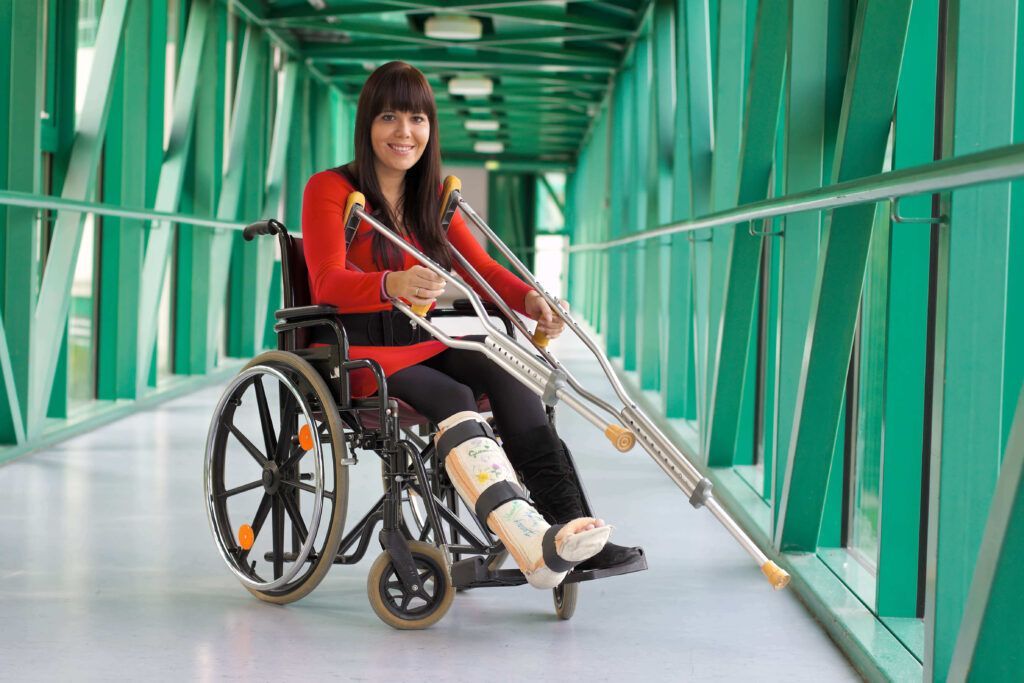
Getting hit by a car is a stressful experience. Suddenly, you’ll need medical care, car repairs, and help to do day-to-day activities, especially if you are badly hurt. Many accident victims also must stop working. You probably have heard by now that you can receive compensation by filing an accident claim—but how does the process work, exactly? The Law Office of Brian P. Azemika can help. Below, we provide an overview of the car accident claims process. Collect Information at the Scene of the Crash You might be in pain or disorientated following a collision, but the evidence you collect at the scene makes a big difference. Ask the driver for: Name Insurance information Contact information Driver’s license Also, try to take pictures of the vehicles involved in the crash. Report the Accident to Your Insurer Call them as soon as you finish at the hospital. Give them basic information about the crash: where it happened, when, and the identity of the driver who struck you. Your insurer can open a claim with the other driver’s insurance company. Receive Treatment & Continue Rehab While the insurance companies try to assign fault, you should focus on getting better. With an accident claim, you can request compensation for medical bills to treat your accident-related injuries. You can also request money for lost wages, car damage, and pain and suffering. You really won’t know how much to request until you get better. Make a Demand for Compensation The demand should be a letter that explains the accident—who hit you and how. You should also identify how much compensation you want to settle the claim. If you have an attorney, this person will draft a solid demand letter and send it to the at-fault driver’s insurance company. Negotiate a Settlement Will the driver or his insurer just automatically agree to your settlement demand? In an ideal world that would happen. In the real world, however, they usually reject your request and either offer less money or claim you are solely responsible for the collision. This is where negotiation comes in. You negotiate the settlement value of your claim much like you would a used car at a parking lot. You might come down a little bit from your initial demand, and the other side will move up a little bit. After enough back and forth, both sides should land on a number that works for both of them. One sticking point might be the fault. If the other side is convinced they aren’t at fault, they might never agree to pay compensation. This is where the pictures you took at the accident scene are most helpful. These pictures can help recreate what happened and bolster your claim that the other driver hit you. File a Lawsuit, if Needed Sometimes, you cannot settle a car accident claim, so at that point, you need to file a lawsuit in court against the driver. In California, you only get two years from the date of the accident to file, and your lawyer should always have this deadline in mind. Injured in a Crash? Contact Attorney Azemika We have tackled numerous car accident claims from start to finish. Contact us today to learn more about your rights or get started with a claim.
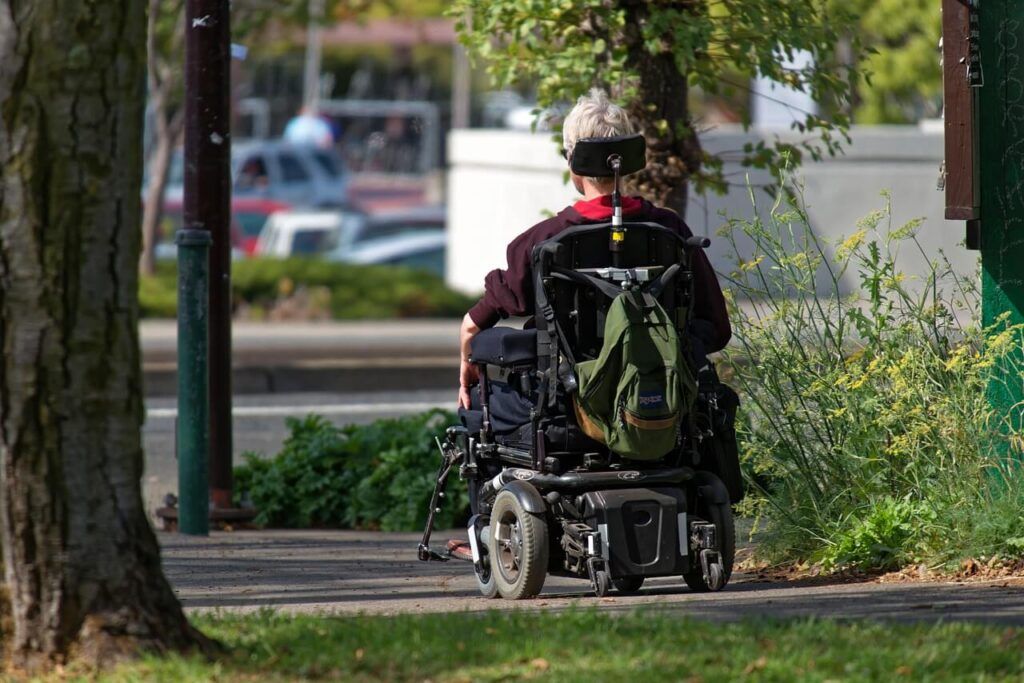
Although some car accidents are temporary inconveniences, others leave lasting impacts. At the Law Office of Brian P. Azemika, we have worked with clients injured in all sorts of crashes, from minor fender benders to devastating T-bone collisions. For many victims, this is a stressful time financially. But there are other repercussions of car accidents, which we discuss in more detail below. You Can Feel Chronic Pain Very minor soft-tissue injuries might heal in a couple of weeks, but many injuries will cause intense pain. Painkillers usually blunt the pain but not for very long. Trying to sit up, sleep, stand, or work can become impossible for long periods because the pain is just too great. Even physical therapy is painful. For example, stretching and strengthening torn muscles is often extremely uncomfortable, but the only way to get better is to struggle through. You Need Help Getting Around If your car was damaged, you’ll be without wheels as it sits at the body shop. Unfortunately, major repairs can take months. You might need to ask family and friends for rides or else take an Uber or Lyft. Public transportation is an option in some parts of California, but not all. You Might Struggle Emotionally Many people involved in accidents will struggle with emotional problems like: Depression Anxiety Fear Post-traumatic stress disorder Studies have shown that most people will recover emotionally following an accident within 12 months. Unfortunately, others will continue to struggle for years and might develop phobias, such as a fear of riding in a vehicle again. Accident victims should treat emotional distress much as they would physical injuries. Talk to a doctor. You might benefit from behavioral therapy or counseling. A doctor can also prescribe medications to help with anxiety, depression, and sleep disturbances. Your Credit Tanks Accidents are expensive. Many of our clients cannot work following an accident, and very few of them have short-term disability insurance to replace lost income. At the same time, accident victims have an explosion of bills, from medical care to car repairs. Unsurprisingly, many car accident victims are unable to keep up with debt payments, which will negatively impact their credit. Some credit card or medical care accounts will go to collections, which will hamper your score even more. If you hire a lawyer, you can seek a settlement from the at-fault driver, which can relieve some of the financial pressure. But settlements often take months—and you’ll need to tide yourself over before then. Relationships Become Strained Physical and psychological stress takes a toll on relationships. For example, sexual intimacy could completely stop because you don’t feel well. Your shorter temper or depression could anger your spouse or partner, who spends less time with you or moves out of the house altogether. Many people who feel chronic pain stay at home, which means friendships wither away. You might even stop posting on social media because you don’t want people to know the level of pain and depression you feel. It is very easy to lose touch. We Can Help You Move Forward Money cannot solve all problems, but a car accident settlement can help relieve financial pressure. Please call our office to speak with a car accident attorney.
Personal injury settlements are critical sources of financial support after an accident. In addition to medical bills
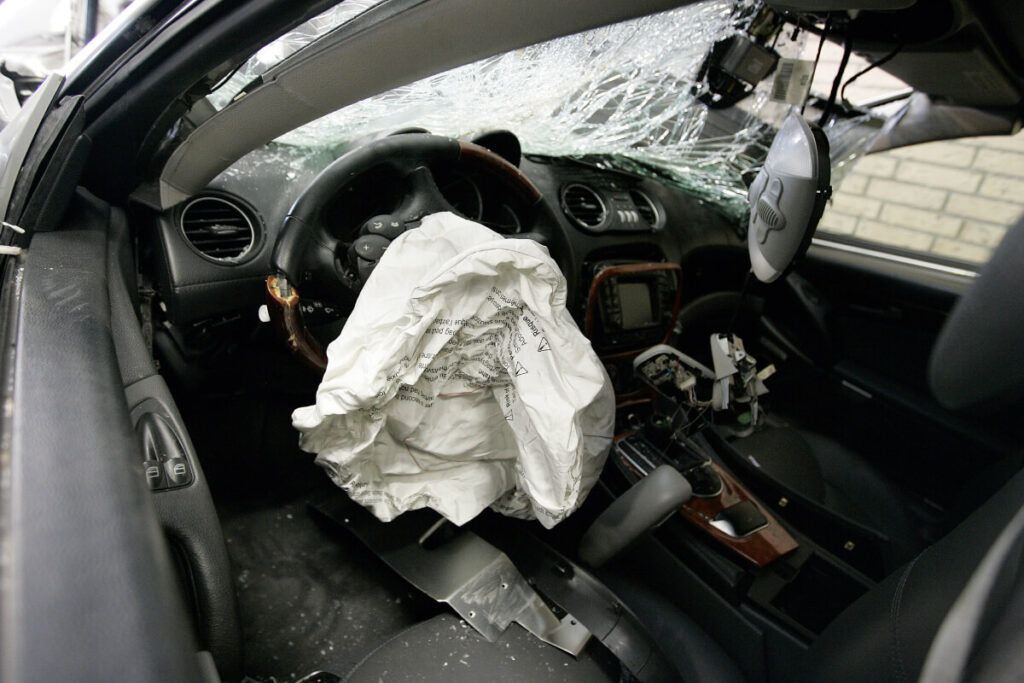
This is a common situation. Many people let friends or family members drive their vehicle, only to have them get into an accident. They contact our firm with many questions, particularly about liability for the collision. Under California law, everything depends on who caused the accident and the terms of your insurance policy. Our attorney, Brian P. Azemika, looks at some examples below. Scenario #1: Another Driver Caused the Crash You might have let your cousin drive your car to a doctor’s appointment, only to have her get rear-ended in the parking lot. However, the driver who struck her is at fault because he was texting while driving and following too closely. In California, the general rule is that the driver who is responsible for the accident is legally liable. In this example, your cousin is not responsible—the other driver is. As a result, the other driver’s insurance policy should cover damage to your car and any damages suffered by your cousin, like medical bills to treat whiplash or another bodily injury. Scenario #2: The Person Who Borrowed Your Car Caused the Crash This is the situation you want to avoid. You lent your car to someone, and they got into an accident because they weren’t driving carefully. Maybe they were speeding, or maybe they were texting and driving. Whatever the reason, they caused the accident and hit someone else. In this example, we need to look at your insurance policy. Most policies cover the vehicle. Consequently, your car insurance should be available to pay compensation to the victim hurt in the crash. California requires that motorists carry insurance with a minimum coverage of $15,000 per person for injury or death, and up to $30,000 for more than one victim in a crash. You should also have $5,000 in property damage coverage. What happens if the victim suffers damages in excess of your policy? In that situation, they can look to any insurance held by the driver who borrowed your vehicle. Their insurance is called secondary coverage, whereas your insurance (as the car owner) is primary coverage. Can You Be Sued? Sometimes, the primary and secondary insurance combined is not enough to fully compensate a victim for their losses. In that situation, can you be sued as the car owner? The answer is “it depends.” Generally, the person who drove negligently is personally liable to the victim, so the victim could sue whoever borrowed your car and drove carelessly. In some situations, the victim might sue you for negligent entrustment. This occurs when you lend your car to someone who is likely to misuse it. For example, you might get sued if you gave your keys to a drunk friend or a person without a valid driver’s license. These people are likely to drive dangerously, which means you could be sued by anyone they end up hitting. Contact Us to Discuss Your Case Accidents leave many victims in a deep financial hole. We can discuss whether you can sue for compensation following a crash.

Every day, Americans go through a horrible experience that ranges from a car accident to being bitten by a dog or slipping on a freshly polished floor

One of the most challenging parts of dealing with a personal injury case for a victim is hiring the best lawyer for their case. Since all personal injury lawyers consider themselves the best, finding one that can really deliver requires that you take a few additional steps beyond their word. In this article, we’ll discuss a few things you’ll want to consider when hiring a personal injury lawyer. If anything, these tips should help you shortlist the best attorney for your case. Ask Family and Friends for a Referral Many people trust word of mouth and for a good reason. It is one of the most effective ways to zero in on the best personal injury lawyer for your case without having to do too much research. A friend or family member who has been through a similar situation should be able to point you in the right direction. Some places where you can ask for a referral is friends, Facebook, Google, and a couple of legal online directories. You can also check out Google maps, for nearby personal injury lawyers, and read the reviews left behind by previous clients. After you have narrowed down your choices, its time to call up the attorneys. A simple phone call can reveal a lot about the type of attorney you’re dealing with, and if you can, work with them. You need to be sure you can be honest and open with the attorney and the attorney is easy to communicate with. It is the little things that count and something you should pay attention to during the selection process. Discuss and Finalize the Fee Before Hiring a Personal Injury Attorney While it may seem odd to you, but it is essential to ask about the fee upfront. Most personal injury lawyers are free to hire, but they will charge you a percentage of what you’re compensated. That being said, you need to know the fee percentage up front andyou should get the fee agreement in writing. Search and Research Online You will want to research all attorneys in your city online. Ensure that the ones you are checking out are licensed and have a good reputation in the state, especially in the area where the accident occurred. All states have their own bar association, and almost every attorney is registered with the association that maintains a database. You can check out the attorney’s bar status, to see if they have been sanctioned or if there were any previous disciplinary issues. You do not want to choose an attorney or a law firm solely based on the number of verdicts which are usually listed on their official website. All cases are different, and so the amount of damages awarded depends on the case and numerous other associated factors. You should always speak with the attorney before hiring them. Communication is important Like with any relationship, communication is key. You should pick an attorney who is easy to communicate with and who is easy reach. You should pick an attorney who will return your calls and emails promptly. It can be quite frustrating if you cannot get your questions answered in a timely fashion, especially when you are dealing with a stressful and frustrating injury claim. The last person you want to feel frustrated with is your attorney. That is why at our firm, our clients have the ability to communicate with our attorneys in numerous ways. Each client receives a business card with all of Brian Azemika’s contact information, including his cell phone number. We believe that direct communication with your attorney is key to a great attorney and client relationship. Find Out About the Lawyer’s Training and How they handle their cases You will want to find out about an attorney’s legal experience and training, especially with personal injury cases. You should ask the attorney how long they have been a personal injury attorney. You should also ask the attorney if they will personally handle your case or if it will be handled by an associate or other staff member instead. It is important to hire a personal injury attorney who will handle your case personally. However, if they are going to hand it over to another lawyer, make sure you meet with them too. Many lawyers who run advertisements on TV claim to fight for you, but do they really? Some of these ads are for referral services only, and your case may be referred to another attorney or law firm that you do not know or may be outside of your geographic area. It is important to find out exactly who will be handling your case and where they are located so it is easy and convenient to communicate with them on your case. Conclusion The key to hiring the best personal injury attorney is to be well informed and to do your research. You will want to carefully review your research and eliminate attorneys that aren’t a good fit. After you have decided on the right attorney, you will want to get in touch with them and set up a meeting to discuss the case further.

Many people may not realize it, but the value of their personal injury claim is likely greater than the insurance company wants you to know. If you have ever been in a car accident or the victim of an accident, then you know that a claims adjuster is sent in by the insurance company to deal with your claim. They work for the insurance company and not for you. Their job is to ensure that the insurance company saves money. That’s why they will never tell you what the claim is really worth. So, the best thing you can do is to hire a professional personal injury lawyer to represent your interests. 9 out of 10 times a personal injury lawyer will end up getting you a settlement that’s more than 3x times what the insurance company is offering. That’s why we don’t advise that you settle with the insurance company on your own. Let’s face it, insurance companies are a business, and like all businesses, they are here to make money. One reason why these already massive companies continue to become even larger is that they maximize profits. The easiest way to maximize profits is to pay out less money when there is a personal injury claim. That’s why they scramble to settle claims for as little money as they can. What Do the Figures Say About Hiring A Personal Injury Attorney? Back in 2004, a research organization called the Insurance Research Council, funded by the insurance industry did a massive study with the objective of comparing the value of settlements that people received for the same injury both without and with an attorney. The research concluded that people represented by a personal injury lawyer received over three times more money even after deduction of the attorney’s fees! Now, as more victims get this information, there are a growing number of people who are turning to personal injury lawyers to handle their cases. Yet another study conducted by the IRC found that from 2007-2012, the percentages of car accident injury claimants who were represented by a personal injury lawyer rose steadily by 5% percent. Another report by the IRC named “Auto Injuries: Claiming Behavior and Its Impact on Insurance Costs,” concluded that 85% percent of all money paid out as compensation by insurance companies for injuries has gone to clients who hired an attorney. If anything, the figures make a substantial case in favor of hiring a personal injury lawyer. What Can A Personal Injury Attorney Do For You? Well, a personal injury attorney can do many things for a client. The type of services that attorneys provide are as follows: They become responsible for filing a claim with the insurance provider and later a lawsuit on behalf of the victim if required. The attorney will negotiate the settlement with the driver of the car or with their insurance company. The attorney will also help clients get the medical treatment they need, which includes going to a specific doctor, visiting a chiropractor, or even the required clinical referrals required to recover from your injuries. The attorney will negotiate specific medical liens you may have that require you to pay out of your settlement. The attorney will ensure you follow all the rules for reimbursement and not be left open to owing money to your private health care providers or government based healthcare like Medicare and Medi-Cal after you have settled your case and received your money. More importantly, an attorney will make sure to look for all sources of recovery in an accident and make sure you get the maximum settlement possible for your injury claim. A few other reasons to hire a personal injury attorney include: The insurance company may outright deny your claim for compensation. In this case, the best thing you can do is hire an attorney. The driver at fault does not have automotive insurance or any applicable insurance policy. The insurance company is attempting to delay the settlement process. The victim is not satisfied with the offer made by the insurance company. A Personal Injury Lawyer Knows How to Deal with Intimidation Many insurance companies employ intimidation tactics to scare victims into accepting their offer. Some of the tactics they use but certainly isn’t limited to: Blaming the victim for the accident. Saying that the victim will find it near impossible to prove in court the long-term emotional and physical trauma associated with the accident. Asserting that the doctor’s assessment of the case or injuries isn’t good enough and that you need to get yourself medically examined by an approved professional. Insurance companies are known to use every tool in their tool box to pressure you into becoming so desperate that you’ll accept anything to pay the bills or to pay for rent. Many victims are pressured to the point where they end up with less and decide to move on with life. When you have a reputation, it makes a big difference when it comes to dealing with insurance companies and their claims. Personal injury victims who use a reputable law firm, have a much better chance of getting the money that they deserve, because an experienced attorney knows how to deal with the insurance company, and he will not be intimidated by their tactics. Conclusion – Always Hire an Attorney Hiring a personal injury attorney with experience does not cost you anything. Lawyers work on what’s called a contingency basis. What that means is they only get paid a percentage of the settlement or judgment. The attorney gets nothing if you get nothing and you pay nothing up front for the attorney representation. That is why there is no reason why you should not hire the best possible attorney who will ensure the highest payout, especially if the injury is extremely severe. Not to mention that with an attorney handling the case you can rest and recover while a professional handles everything on your behalf. Let an attorney take on the stress of dealing with the insurance company.

A question every victim asks themselves, “do I need to hire an injury attorney"? The answer is not simply yes or no. It really depends on the accident, the injuries and your case. Personal injury attorneys fight with the insurance company on behalf of their injured clients to make sure they receive just compensation for their wage loss, medical expenses, property damage, and pain and suffering as a result of physical and psychological injuries sustained as a result of someone else’s negligence. In this article, you will learn what a personal injury attorney can do for you. How a personal injury attorney can help you There are many ways a personal injury attorney can help an injured party. Here are some of the most common reasons you may want to hire them to help you. Gather the evidence for your case Perhaps the most valuable way a personal injury attorney can assist you is by helping obtain the evidence you need to build a strong case against the party responsible for harming you. Your attorney works to bring you justice by overseeing the collection of the necessary evidence in your case. They will investigate the circumstances of the incident, which may include investigating the site of the incident, interviewing witnesses, or collecting evidence like photographs and videos of the incident. A good attorney will know how to preserve evidence properly so it is admissible should your case go to trial. File your lawsuit In some jurisdictions , there is a fixed time limit during which you can file a lawsuit, and failure to do so may bar you from ever receiving compensation for your personal injuries. It’s a good idea to contact an attorney early on to make sure specific deadlines are not missed. Filing a lawsuit is also complicated. Experienced attorneys will know how to prepare the lawsuit with the proper language and file it on your behalf with the court. If the lawsuit is not prepared properly, it can be dismissed by the court. Help you with insurance companies Dealing with insurance companies can be stressful and frustrating, which is by design. The insurance company wants the claims process to be stressful so an injured individual settles quickly and on their terms. Insurance companies make money by charging premiums at market rates and then paying out claims for the lowest dollar amount possible. An attorney can help take the stress of dealing with the claims process off your shoulders and allow you to focus on healing from your injuries. A personal injury attorney can help you navigate the complicated requirements that insurance companies put in place to discourage claims and reduce payouts. A personal injury lawyer can negotiate with the insurance company on your behalf and ensure that your settlement is fair in light of your injuries.. Professional representation in court The most well-known way a personal injury attorney helps their clients is by representing them in court. They prepare the case for presentation to a judge and/or jury. However, despite what we see on TV, a good personal injury attorney is able to settle most cases in their client’s favor before they go to trial, allowing you to receive your settlement quicker. Secure fair compensation for you Most importantly, a personal injury attorney will ensure you get fair compensation for your injury. They have the expertise to determine fair compensation for medical expenses, lost wages, along with pain and suffering you endured. These attorneys are also able to fight for future medical expenses, financial losses, temporary or permanent disability, and more on your behalf. Conclusion A personal injury attorney working for you is a good idea if you want the best settlement possible for your case. Keep in mind that most firms like ours provide a free initial consultation to determine if you need an attorney for your injury claim. Make sure you speak to an attorney early on following an accident and before you speak to the insurance company to find out about your rights.
